
Dispatch · February 28, 2026 · 5 min · By Alaric Montoya
Managing the dark marks razor bumps leave on textured skin
In deeper skin tones, the discoloration is often the lasting complaint.
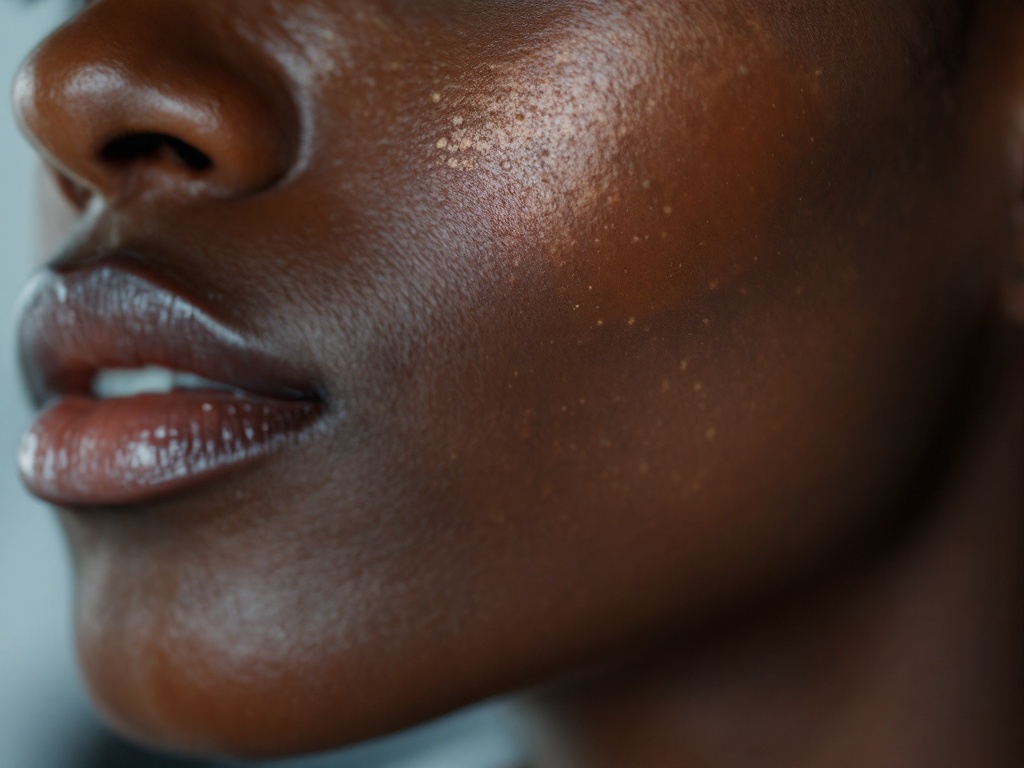
For people with textured hair and deeper skin tones, the most persistent legacy of razor bumps is frequently not the bumps but the dark marks they leave, post-inflammatory hyperpigmentation that can build into noticeable patches along the beard line, neck, or other shaved areas.
Each inflamed bump can prompt the skin to deposit extra pigment as it heals, and in darker skin this is more pronounced and slower to fade. Repeated bumps in the same areas accumulate into darkening that outlasts the original problem, and picking or squeezing dramatically worsens it. Treating the discoloration requires two parallel efforts: stopping new bumps from forming, through gentler shaving, or definitively through laser hair reduction, so no new marks appear, and fading the existing pigment with gentle brightening agents like azelaic acid and niacinamide plus diligent sun protection, since UV deepens these marks.
The treatment must be gentle, because aggressive products risk irritating reactive skin and creating more pigmentation. Patience is required, pigment fades over months, not days. The encouraging part is that once the source of new bumps is controlled, the existing dark marks steadily lighten with consistent, sun-protected care. For many people with textured skin, addressing the dark marks is as important to their confidence as clearing the bumps themselves, and it responds to the same hair-type-aware, gentle approach.
Related reading: Laser for ingrowns in textured hair and dark skin.