
Field Notes · July 7, 2026 · 6 min · By Yannick Sorensen
Waxing and sugaring on coily hair: gentler than a razor, or a new ingrown trap?
Pulling hair from the root avoids the sharp shaved tip that drives razor bumps. Whether it helps or hurts textured skin comes down to breakage, technique, and timing.
Waxing and sugaring get recommended to bump-prone shavers all the time, on a simple theory: if the razor's sharp tip is the problem, pull the hair out from the root instead and there is no tip to ingrow. For coily, textured hair the theory is half right. Done well, root removal can genuinely calm an ingrown-prone bikini line or underarm. Done badly, it snaps curved hairs below the surface and produces deeper, angrier ingrowns than the razor ever did. The difference is worth understanding before the next appointment.
Why pulling from the root can help. The engine of razor bumps in textured hair is geometry: a close-cut hair with a sharp, angled tip, already curved back toward the skin, as laid out in why curly and coily hair ingrows so much more. Waxing and sugaring remove the entire hair, so regrowth starts fresh from the follicle with a naturally tapered, softer end rather than a blunt cut edge. That finer tip is less able to pierce the follicle wall or re-enter the skin, and regrowth takes weeks rather than days, so the skin gets long recovery windows between sessions. For some people with textured hair, that combination means visibly fewer bumps than any shaving routine achieved.
Where waxing goes wrong on coily hair. The catch is breakage. Coily hair is more fragile than straight hair, and when hot wax is pulled against the direction of growth, a portion of hairs snap at or below the skin surface instead of releasing from the root. A hair broken below the surface is in a worse position than a shaved one: it is short, it is under the skin already, and it is still curved. Hot wax also adheres to skin, not just hair, so on reactive or recently inflamed skin it can lift the surface and leave exactly the kind of irritation that becomes the stubborn discoloration covered in managing the dark marks razor bumps leave on textured skin. Waxing over active bumps, or on skin using strong retinoids or recent exfoliating acids, raises that risk further (Mayo Clinic, ingrown hair).
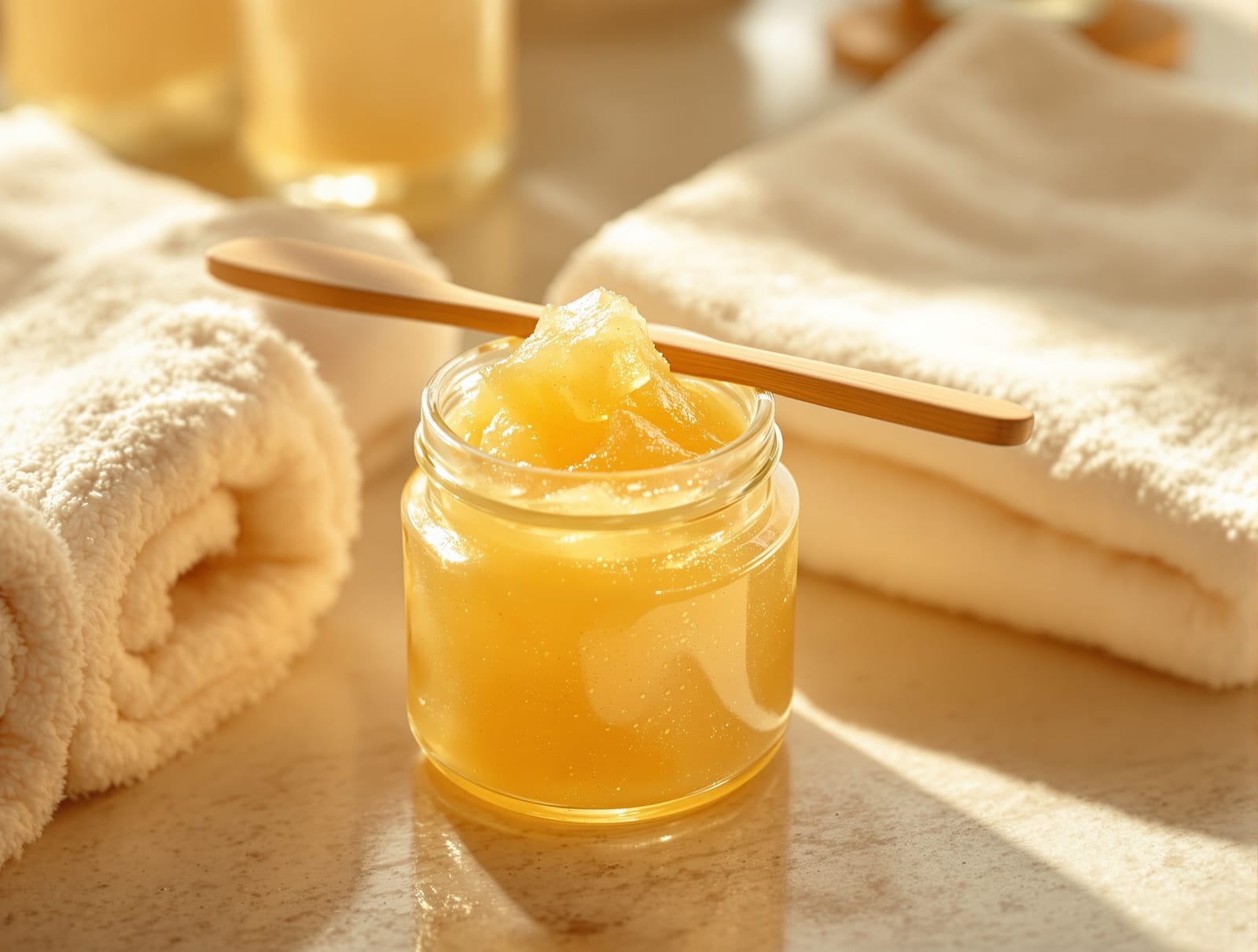
Sugaring's real advantage. Sugaring paste, a cooked blend of sugar, lemon, and water, is applied against the growth direction and flicked off in the direction of growth, the opposite of most waxing. Removing hair along its growth path puts less snapping force on the shaft, so breakage rates are lower, which matters most for tightly coiled hair. The paste is used at body temperature, so there is no burn risk, and it binds to hair much more than to living skin, so it tends to lift less of the surface. None of this makes sugaring foolproof; a rushed or inexperienced practitioner can break hair with either method, and technique matters more than the product. But for textured hair, sugaring with a practitioner experienced in coily hair is the better-odds version of root removal.
How to remove hair by the root with fewer ingrowns. Let the hair reach about a quarter inch so the wax or paste has something to grip; stubble too short guarantees breakage. In the days before, exfoliate gently with the chemical exfoliants from exfoliating acids for razor bumps on textured skin so dead skin is not capping the follicles, but stop acids a day or two before the session and do not resume until the skin is calm. Afterward, wear loose clothing over treated areas, especially the bikini line, where friction drives the bumps described in caring for the bikini area and body on textured skin, and restart gentle exfoliation a few days later to keep regrowing tips from getting trapped. Never wax over active bumps, broken skin, or a fresh flare; postpone the appointment instead.
Who should skip it. People with chronic, scarring pseudofolliculitis, the condition covered in pseudofolliculitis barbae in textured hair, often find that any hair removal that leaves regrowth eventually restarts the cycle, and waxing the beard area specifically is a poor idea for anyone. Skin on retinoids, recently peeled skin, and keloid-prone skin all argue against pulling hair by the root. For those groups, the blade-free chemistry of chemical depilatories or the permanent route of laser hair reduction suited to deeper skin tones are usually the sounder paths (DermNet, pseudofolliculitis barbae).
The bottom line. Root removal is neither the cure nor the trap the arguments make it out to be. For coily hair it works when three things line up: enough length to grip, a technique that minimizes breakage, with sugaring holding the edge, and skin that is calm before anyone pulls anything. When those conditions fail, broken hairs under the surface make things worse than shaving did. Treat waxing and sugaring as a legitimate middle option to test carefully, not a default, and judge it the honest way: count the bumps three weeks after each session and let the skin cast the deciding vote.
Related reading: Caring for the bikini area and body on textured skin and Chemical depilatories: the shaving alternative textured hair rarely hears about.