
Field Notes · July 2, 2026 · 6 min · By Yannick Sorensen
How to safely free a trapped ingrown hair, and when to leave it alone
On textured skin, digging out an ingrown usually causes the dark mark you are trying to avoid.
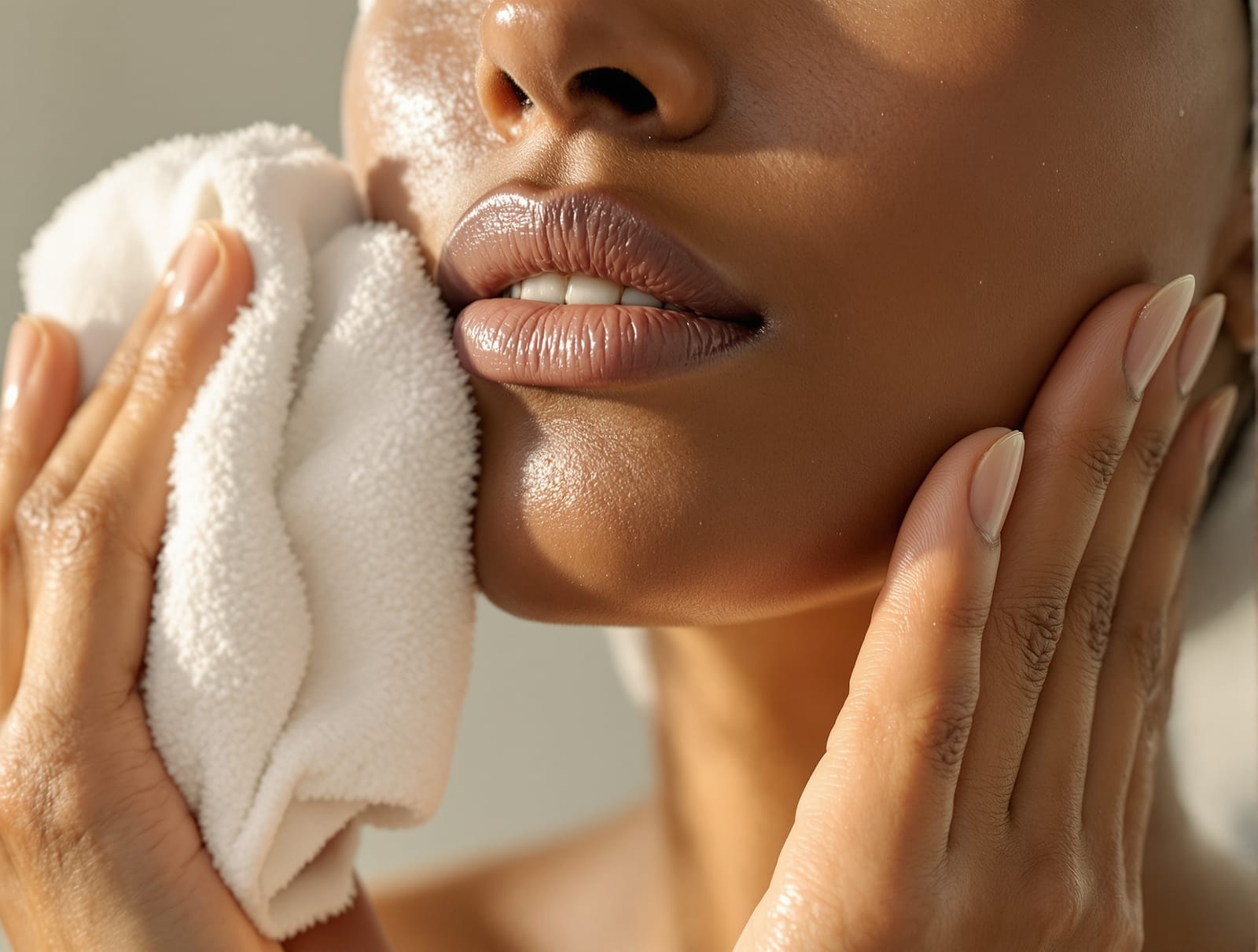
When a painful ingrown hair sits just under the skin, the instinct is to reach for tweezers or a needle and dig it out. On curly, coily, and coarse hair growing from deeper skin tones, that instinct is usually the wrong one, and knowing when to gently free a trapped hair versus when to leave it alone is what protects you from the lasting dark marks and scarring that textured skin holds onto.
Why the hair gets trapped in the first place. An ingrown hair forms when a hair that has been cut at a sharp angle curves back and re-enters the skin, or never breaks through the surface at all, and the body treats it as a foreign object and inflames around it. Curly and coily hair does this far more readily because it grows from a curved follicle, the same structural reason covered in how to shave textured hair without razor bumps. The result is a raised, often tender bump, sometimes with a dark loop of hair visible just beneath the surface, sometimes with a white head of trapped fluid. According to the American Academy of Dermatology, most ingrown hairs will actually resolve on their own if you simply stop shaving the area and leave it undisturbed (AAD, ingrown hair care).
The single most damaging habit is picking. Squeezing, scratching, or gouging at a bump with a needle does three things at once: it drives bacteria deeper, it enlarges the wound, and, critically for deeper skin tones, it triggers a burst of pigment that becomes a stubborn dark spot. Mayo Clinic notes that ingrown hairs left irritated can lead to infection, permanent scarring, and skin darkening (Mayo Clinic, ingrown hair). In skin of color, that darkening, called post-inflammatory hyperpigmentation, is frequently the longest-lasting part of the whole ordeal, which is why we treat it as its own problem in managing the dark marks razor bumps leave on textured skin. The math is simple: a bump that would have faded in a week can become a mark that lingers for months once you pick at it.
The gentle approach that actually works. For most fresh, uninfected ingrowns, the safest intervention is warmth and patience, not tools. Soak a clean washcloth in warm water and hold it against the bump for a few minutes, two or three times a day. The warmth softens the skin over the follicle, brings the hair closer to the surface, and often coaxes the tip out on its own. Between compresses, a gentle chemical exfoliant a couple of times a week helps dissolve the dead skin capping the follicle, one of the reasons these products earn their place in a routine for ingrown-prone textured skin. Do not shave, wax, or tweeze the area while it is inflamed, because every fresh cut restarts the cycle.
When freeing the hair is reasonable, and how. If, after warm compresses, you can clearly see the hair looped and lying loose just under the skin, you can gently ease it out, without digging. Sterilize a pair of fine tweezers or a sterile needle with alcohol, and use the tip only to lift the visible loop of hair up and away from the skin. The goal is to release the trapped end so it sits above the surface, not to pluck the hair out entirely and not to break the skin. If the hair does not lift easily, or you cannot see it plainly, stop. Forcing it is exactly how a minor bump becomes a scar. Afterward, clean the area and apply a soothing, fragrance-free moisturizer.
Know the signs that it is no longer a simple ingrown. A red, tender bump is ordinary. Spreading redness, warmth, swelling, increasing pain, or a bump that fills with pus and keeps growing can signal folliculitis, a true infection of the follicle, rather than a plain ingrown. Chronic, recurring bumps along the beard and neck are a distinct medical condition, pseudofolliculitis barbae, which is common enough and damaging enough in coarse hair to deserve a real treatment plan, as we cover in pseudofolliculitis barbae in textured hair. Peer-reviewed dermatology references describe these as conditions that respond best to structured management rather than repeated self-extraction (NIH StatPearls, pseudofolliculitis barbae). If a bump is worsening rather than settling after a few days of gentle care, or you are getting them constantly, see a clinician instead of continuing to dig.
The takeaway. For an occasional trapped ingrown on textured skin, warmth and time beat tweezers almost every time. Free a hair only when it is clearly loose and visible, never gouge for one that is buried, and treat any spreading infection or chronic recurrence as a medical issue. Handled gently, a single ingrown fades and leaves nothing behind. Handled roughly, it leaves the dark mark you were trying to prevent in the first place.
Related reading: Managing the dark marks razor bumps leave on textured skin.